
ROUTE 01 / TRAY
Supermarket deli
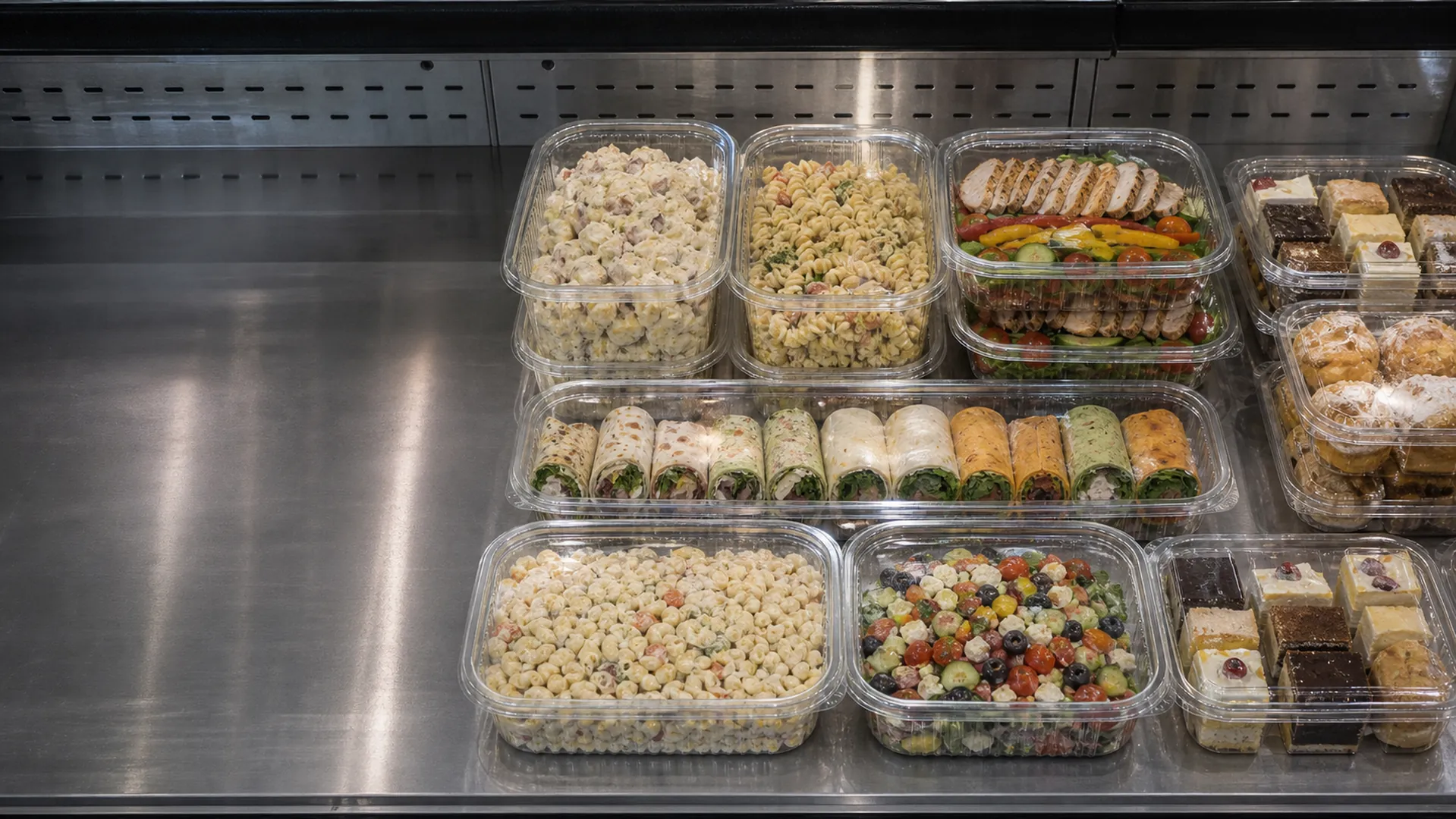
PET salad trays with anti-fog lidding for mesclun, potato salad, coleslaw and pasta salads.
Line note: presentation, seal integrity and chilled handlingSupermarket Deli / New Zealand first
PET trays, anti-fog lidding film and CPP zipper bags for supermarket deli suppliers, fresh-cut produce processors and private-label food manufacturers.
Start with the food format, then compare the packaging route around presentation, sealing, airflow and commercial volume.
PET salad trays with anti-fog lidding for mesclun, potato salad, coleslaw and pasta salads.
Line note: presentation, seal integrity and chilled handling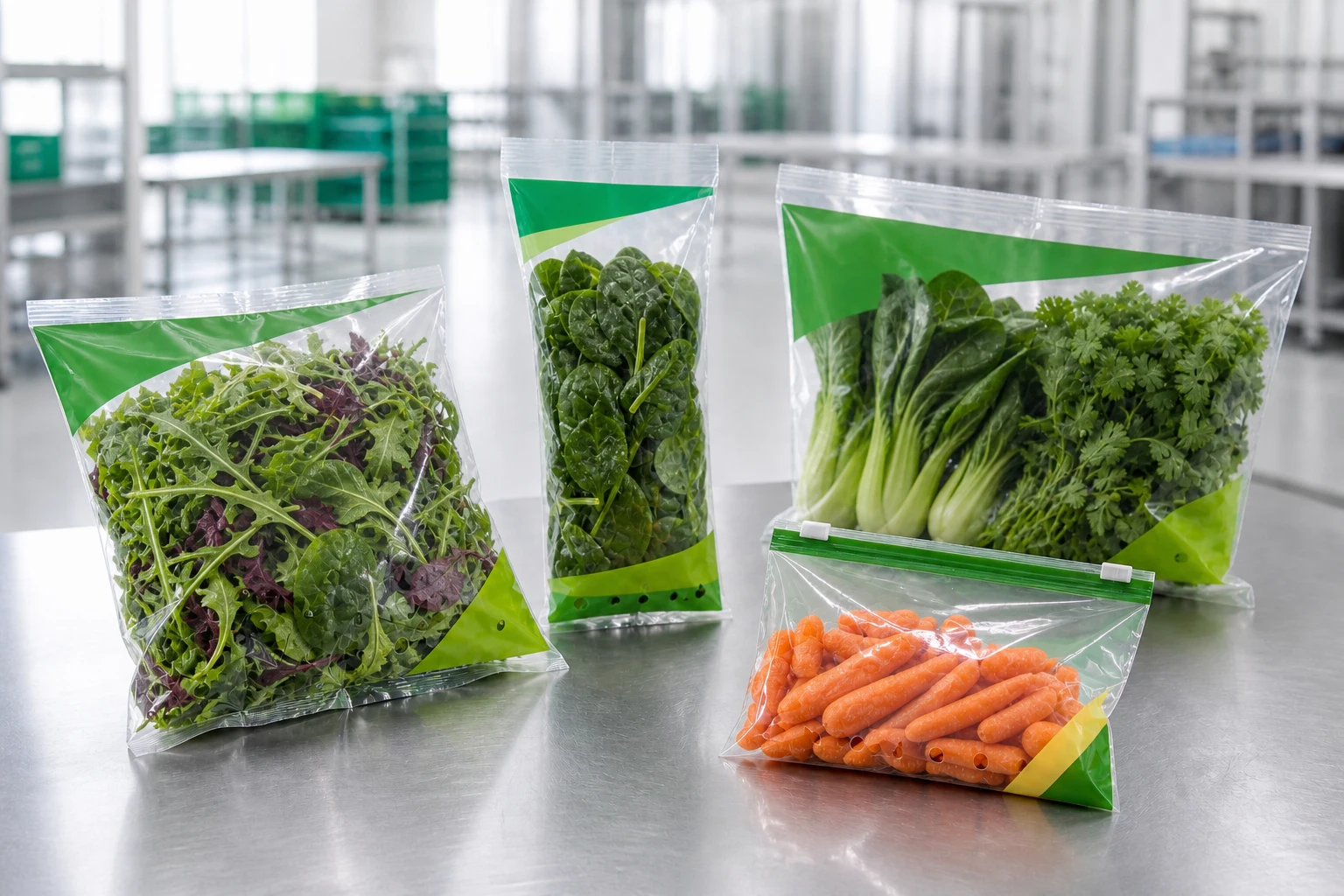
High-clarity CPP zipper or self-seal bags for mesclun, spinach, coriander and Asian greens.
Line note: fill format, closure choice and product visibility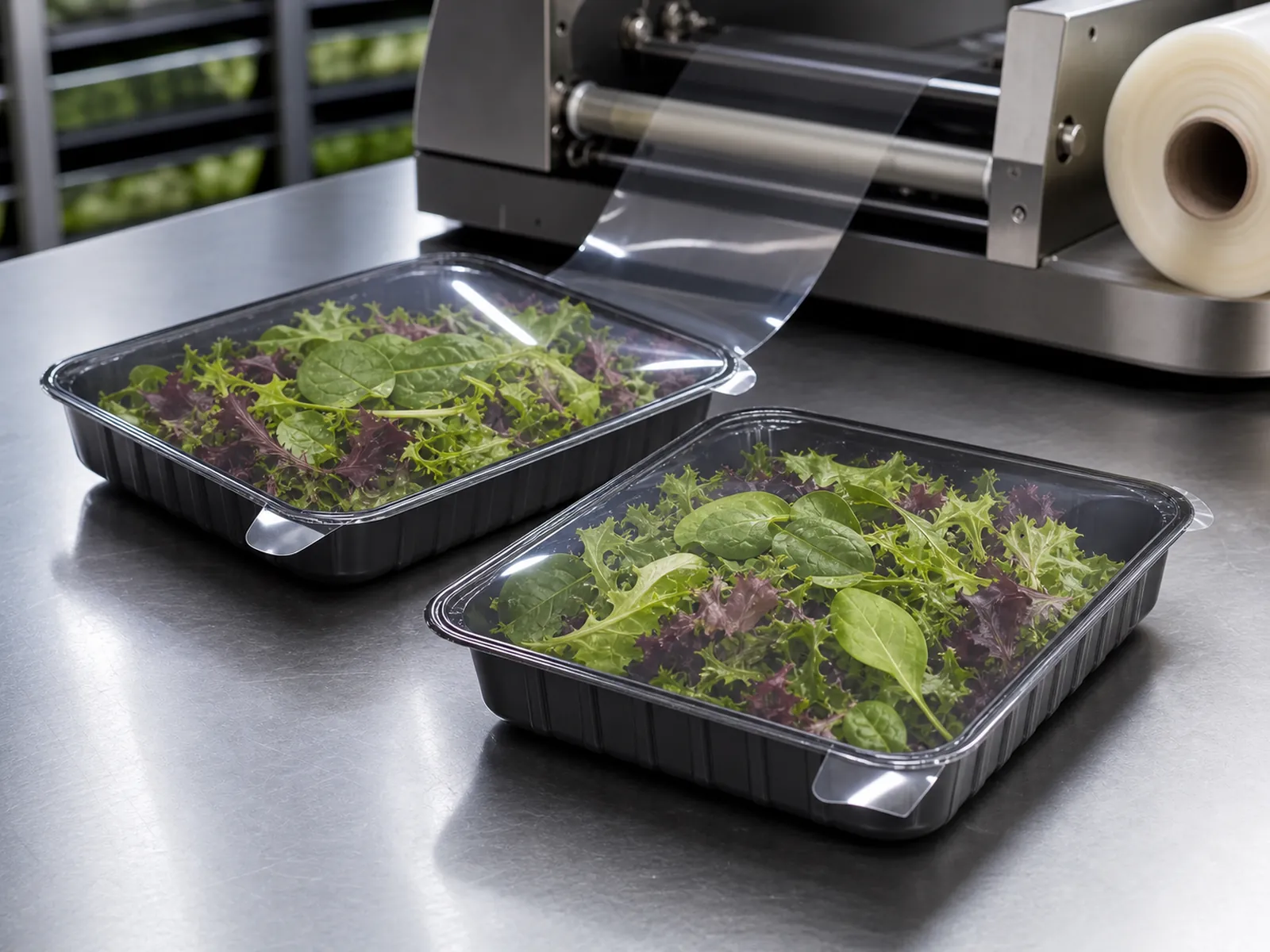
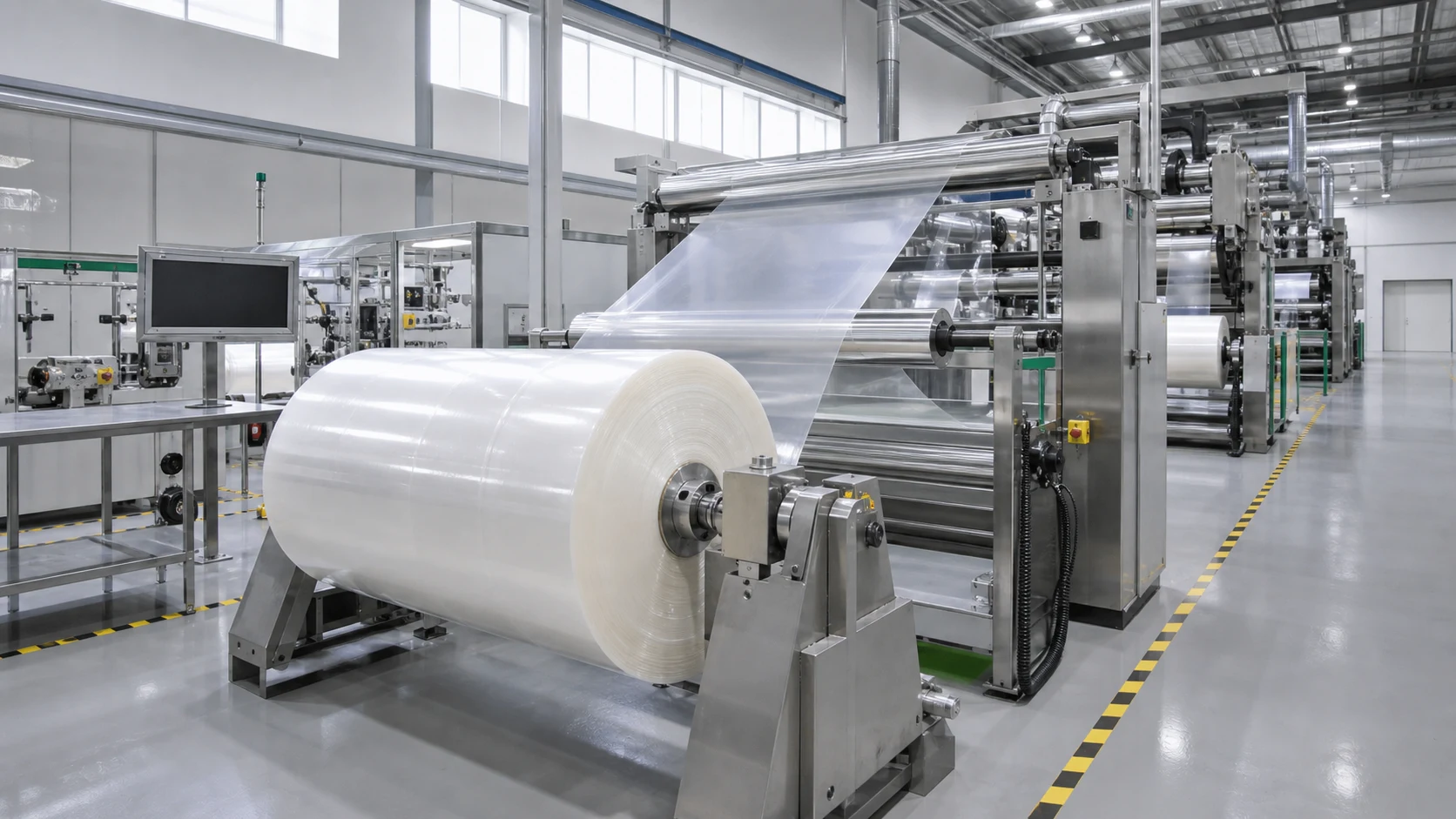
BOPP or OPP anti-fog and micro-perforated film options for high-throughput film-fed programmes.
Line note: film behaviour, airflow target and pack appearanceSINOPAC discusses clear packaging options for central kitchens, supermarket suppliers and food producers. Final material and format selection depends on the product, temperature, sealing method, line compatibility, distribution and any regulatory requirements that apply to the customer's operation.
Potato salad, coleslaw, pasta salads and other chilled side dishes.
Fresh and chilled tray applications discussed around product and handling needs.
Sandwiches, wraps, platters, meal kits and portioned chilled foods.
Cakes, slices, pastries and dessert trays where protection and visibility matter.
Move from the packed food requirement to a format that can be reviewed and planned for commercial supply.
Capture food, portion, temperature, closure and volume requirements.
Review samples and line trials before approval.
Plan repeat supply around forecast, case configuration and delivery.
The salad format and production process come first. Clear presentation matters, but the packaging also has to work through filling, sealing, cold storage, transport, handling and retail display.
Potential applications include potato and pasta salads, coleslaw, chilled sides, meat and seafood trays, produce, sandwiches, wraps, platters, meal kits, cakes, slices, pastries and desserts. Suitability still depends on the food and process.
Consider food composition, portion and fill profile, filling temperature, chilled journey, closure or sealing method, tamper-evidence needs, stacking, label area, case configuration, equipment and applicable food-business requirements.
Label areas, clear presentation, format, closure and OEM options can be discussed. Custom tooling or printed components may change MOQ, sampling, approval steps and lead time, so the retail brief and forecast should be supplied together.
Provide the food, portion weight, dimensions or current sample, filling and storage temperatures, closure or sealing equipment, stacking and label requirements, annual forecast, launch date and delivery location. Food-contact and line trials may be required before approval.
Start with the food, portion weight, current tray or bag, monthly use and filling temperature. We will assess the brief and discuss sample availability, closure compatibility and a commercial quote. Samples and line trials must be agreed before a production specification is approved.